Root Canal Treatment in Riverview, FL
Relieve Tooth Pain and Save Your Natural Tooth
If you're experiencing severe tooth pain, sensitivity, or swelling, you may need a root canal. At EverySmile Dental Riverview, we perform gentle, effective root canal therapy to eliminate infection, relieve discomfort, and save your natural tooth.
Led by Dr. Seth H. McDuffie, DMD, our experienced team uses modern techniques and advanced technology to make root canal treatment more comfortable than ever. If you’re looking for expert care for a root canal in Riverview FL, we’re here to help — with the experience and compassion you expect from your dentist in Riverview FL.
Severe tooth pain, sensitivity to heat or cold that lingers, swelling in the gums, or a tooth that has turned dark can all be signs that the inside of your tooth has become infected. When that happens, a root canal is often the best way to save the tooth and relieve the pain.
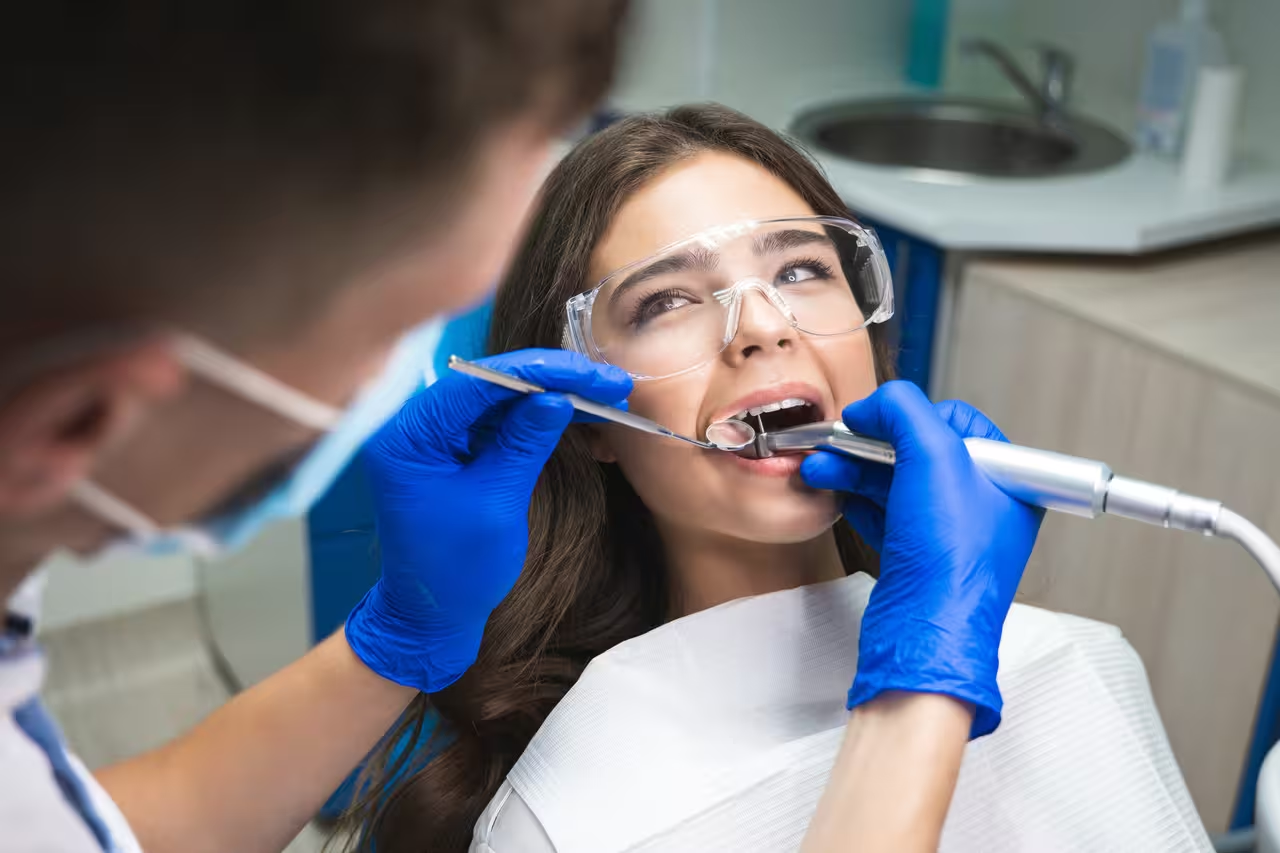
At EverySmile Dental in Riverview, FL, Dr. Seth McDuffie performs gentle, modern root canal treatment that typically takes one or two visits. Today's root canal technology is nothing like the stories you may have heard. Most patients tell us the procedure was far easier than they expected.
Warning Signs You May Need a Root Canal
The sooner we treat an infected tooth, the better the outcome. Watch for these symptoms:
- Severe, throbbing tooth pain, especially when biting or chewing
- Sensitivity to hot or cold that lingers for 30 seconds or more after the source is removed
- A small bump on the gums near the painful tooth (a sign of an abscess)
- Darkening or discoloration of a single tooth
- Swollen or tender gums near the tooth
- A persistent bad taste in the mouth
- Pain that wakes you up at night
- A tooth that is loose without an obvious cause
Some infected teeth cause no pain at all. This is one reason regular dental exams are important. We often catch problems before they become painful.
What Is a Root Canal?
Inside every tooth is a soft tissue called the pulp, which contains blood vessels and nerves. When the pulp becomes infected or inflamed, from deep decay, a cracked tooth, repeated dental work, or trauma, the infection can spread into the surrounding bone if left untreated.
A root canal removes the infected pulp, cleans and disinfects the inside of the tooth, and seals it to prevent future infection. The outside of the tooth remains in place. In most cases, a dental crown is placed afterward to protect and strengthen the treated tooth.
The Root Canal Procedure, Step by Step
- Examination and imaging. We take digital X-rays and sometimes a 3D scan to see the full shape of the tooth's root canals and plan the treatment carefully.
- Numbing the area. Dr. McDuffie uses local anesthesia to completely numb the tooth and surrounding tissue. You will not feel pain during the procedure.
- Sedation if desired. For patients with dental anxiety, we offer oral conscious sedation. You stay awake but feel deeply relaxed throughout the appointment.
- Protecting the tooth. A small protective sheet (a dental dam) is placed around the tooth to keep it clean and dry during treatment.
- Accessing the pulp. A small opening is made in the top of the tooth to reach the infected pulp inside.
- Cleaning and shaping. We carefully remove the infected pulp, clean the inside of the tooth, and shape the canals so they can be sealed properly.
- Disinfection. The canals are rinsed with disinfecting solutions to remove any remaining bacteria.
- Filling and sealing. The canals are filled with a biocompatible material called gutta-percha, and the opening is sealed with a temporary or permanent filling.
- Final restoration. At a follow-up visit, we typically place a dental crown on the tooth. Crowns protect the tooth from fracture and allow it to function normally for years.
Most root canals take 60 to 90 minutes and can be completed in one or two visits depending on the complexity of the case.
Does a Root Canal Hurt?
No. This is the most common question patients ask, and the honest answer is: today's root canals are typically no more uncomfortable than getting a filling.
Here is why. The pain people associate with root canals comes from the infection, not the procedure. Once we numb the tooth, the pain goes away. The root canal removes the infected tissue, which is what was causing the pain in the first place. Most patients tell us their biggest regret is waiting as long as they did before coming in.
After the procedure, you may feel mild tenderness or soreness for a few days. Over-the-counter pain relievers usually handle it. If sedation was used, you will need someone to drive you home, but discomfort is still minimal.
Recovery and Aftercare
Most patients return to normal activity the same day or the next day. Here is what to expect:
- First 24 to 48 hours: Mild tenderness or soreness is normal. Take over-the-counter pain relievers as needed. Avoid chewing on the treated side until the final restoration is placed.
- First week: If a temporary filling was placed, be gentle with the tooth. Avoid very hard or crunchy foods until the permanent restoration is in place.
- After the crown is placed: You can resume normal eating and brushing. Floss carefully around the crown.
- Long-term: With good oral hygiene, a root-canal-treated tooth with a crown can last the rest of your life.
Call our office if you experience severe pain, swelling, or fever at any point during recovery.
Root Canal vs Extraction: Why Save the Tooth
When a tooth is severely infected, patients sometimes wonder whether to just have it pulled. In most cases, saving the natural tooth is the better choice. Here is why:
- Natural teeth are stronger. Nothing fully replaces the feel and function of a healthy natural tooth.
- Faster recovery. Root canal recovery is typically shorter and less involved than extraction followed by replacement.
- Lower long-term cost. A root canal with a crown is usually less expensive than extraction plus a dental implant or bridge.
- Preserves bone. Keeping the natural tooth preserves the jawbone around it. When teeth are extracted, the bone in that area starts to shrink.
- Maintains your bite. Saving the natural tooth keeps your bite stable and prevents other teeth from shifting.
That said, root canals are not always the right choice. In cases where the tooth is cracked below the gum line, has very little remaining structure, or has failed root canal treatment multiple times, extraction may be the better option. Dr. McDuffie will give you an honest assessment of your options.
Common Myths About Root Canals
Myth: Root canals are very painful. Modern root canals are no more painful than a routine filling. The pain comes from the infection, not the procedure.
Myth: Root canals cause illness. This myth comes from debunked research from the 1920s. The American Association of Endodontists and the ADA have confirmed root canals are safe and do not cause disease elsewhere in the body.
Myth: It is better to just pull the tooth. Natural teeth almost always outlast replacements. Saving the tooth preserves your bite, bone, and function.
Myth: Root canals have to be done over. Success rates for well-performed root canals are 90 to 95 percent. Most last decades.
Myth: Pregnant women cannot have root canals. Root canals are safe during pregnancy, especially in the second trimester. Delaying treatment is actually riskier because of the infection.
Cost and Insurance for Root Canals
The cost of a root canal depends on which tooth is being treated. Molars (back teeth) have more canals and take longer to treat, so they cost more than front teeth. Most PPO and HMO dental plans cover a portion of root canal treatment, often 50 to 80 percent after deductibles.
We verify your insurance benefits before treatment and give you a written estimate so you know exactly what to expect. For patients without insurance, we accept CareCredit and offer in-house payment options so cost is not a barrier.
Emergency Root Canals in Riverview
If you have severe tooth pain, swelling, or signs of an abscess, call us at (813) 741-0483. We hold time in our daily schedule for emergencies and often see patients the same day they call. See our dental emergencies page for more on what to do if you cannot be seen immediately.
Why Riverview Patients Choose EverySmile Dental for Root Canals
Dr. McDuffie has performed thousands of root canals during his 25+ years in Riverview. His approach is calm, careful, and focused on patient comfort. What patients consistently say:
- Clear explanation of what is happening and why
- Gentle technique and comfortable sedation options
- Same-day appointments for acute pain
- Honest recommendations: he will tell you when a tooth cannot be saved and extraction is the better choice
- Follow-up communication so you feel supported through recovery
We serve patients across Riverview, Brandon, FishHawk, Bloomingdale, Lithia, Valrico, and Apollo Beach. Call (813) 741-0483 or book online to schedule your root canal consultation.
Frequently Asked Questions
Still have questions?
How long does a root canal take?
Most root canals can be completed in one or two visits, depending on the tooth and severity of infection.
Is a crown always needed after a root canal?
In most cases, yes — especially for back teeth, which endure more pressure from chewing. A crown protects and strengthens the treated tooth.
Can I drive myself home after a root canal?
Yes, if only local anesthesia is used. If you receive sedation, you'll need someone to drive you home.
How long does recovery take?
Most patients return to normal activities the same or next day. Some soreness or sensitivity is normal for a few days and can be managed with over-the-counter pain relievers.
What happens if I delay treatment?
Delaying a root canal can lead to worsening infection, tooth loss, and spread of bacteria to other parts of the body. Prompt care is essential.

Relieve the Pain. Save the Tooth.
Root canal therapy can save your natural tooth and end your pain — comfortably and effectively. Don’t wait until the problem gets worse. Contact EverySmile Dental Riverview today for a personalized evaluation.
Book an appointment or call (813) 741-0483 to get started.